What Does “Wake Me Up When September Ends” Really Mean?
Every September, the same Green Day song returns to playlists, memes and social media.
But “Wake Me Up When September Ends” was never written as a joke about wanting September to finish.
It is about grief.
Billie Joe Armstrong’s father, Andrew Armstrong, died from cancer in September 1982 when Billie Joe was only 10 years old.
Decades later, Armstrong finally wrote about losing him.
The result became one of Green Day’s most emotional songs.
Why is September so important to Billie Joe Armstrong?
Because September became permanently connected with his father’s death.
Armstrong has explained that the month remained a difficult anniversary for him long after childhood.
Losing a parent at 10 effectively divided his life into before and after.
He later described the experience as feeling almost as though life had started again from “year zero”.
That gives the title a much deeper meaning.
Wanting September to end isn’t really about disliking a month.
It’s about wanting to skip a painful anniversary.
Did Billie Joe actually say “wake me up when September ends” as a child?
There is a famous story claiming Armstrong returned from his father’s funeral, locked himself in his room and told his mother to wake him when September ended.
The broad connection between the title and his father’s death is real, and Armstrong has said the phrase stayed with him.
However, some of the more dramatic details commonly repeated online appear to have grown through fan retellings rather than Armstrong’s own account.
The important fact is much simpler:
September represented the month he lost his father.
Why did he wait so long to write about it?
Armstrong has said he avoided directly writing about his father’s death for years.
Eventually the song became a breakthrough.
Rather than simply reopening the grief, writing it allowed him to honour his father.
That’s interesting because “Wake Me Up When September Ends” arrived more than two decades after Andrew Armstrong died.
Some experiences take years before somebody knows how to express them.
Is the song part of the American Idiot story?
Not completely.
American Idiot is structured around characters and a broader narrative involving disillusionment, politics and American life.
“Wake Me Up When September Ends” is much more directly personal.
Armstrong nevertheless wrote it so the song could function within the emotional world of the album.
A listener who knows nothing about his father can still hear it as somebody looking backwards while trying to grow up.
That universality is probably one reason it became so huge.
Is the song about 9/11?
This is one of the most common misunderstandings.
No.
The original inspiration is Armstrong’s father.
However, the song’s imagery of loss and September naturally led many listeners to associate it with the September 11 attacks.
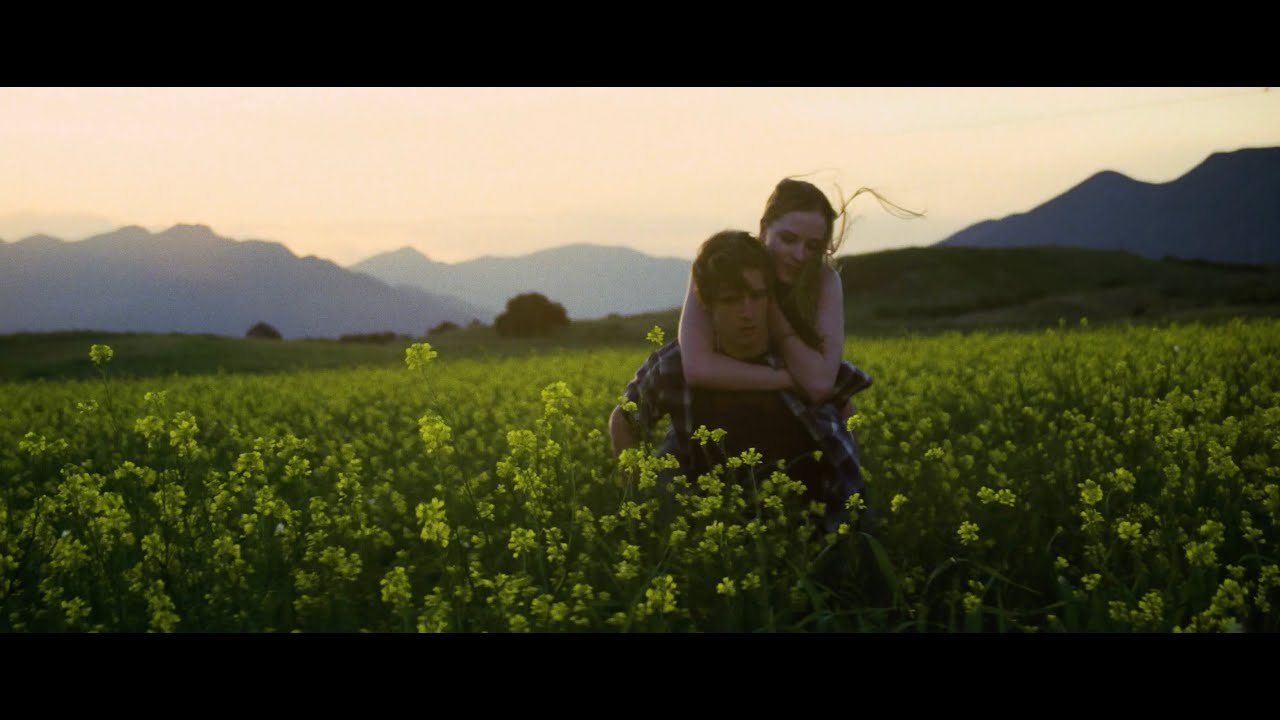
The music video pushed the song further toward themes of war and separation.
That allowed the recording to develop meanings beyond Armstrong’s original story.
Songs do that.
The writer begins with one experience.
Millions of listeners attach their own.
Why does the music start so quietly?
Because the arrangement follows grief.
It begins with Armstrong and acoustic guitar.
Gradually the rest of Green Day enters.
Drums become heavier.
Guitars become larger.
The emotion keeps expanding.
Then the song retreats again.
That dynamic shape feels much closer to memory than a conventional rock anthem.
Something small triggers an emotion.
Suddenly you’re completely inside it.
Then it passes.
Why does the song return every September?
The title has made the song almost algorithmically immortal.
September begins:
people reference the song.
September ends:
people reference the song again.
Memes appear.
Videos appear.
Streams rise.
The song has effectively become attached to the calendar.
Recent trend trackers are again showing “Wake Me Up When September Ends” circulating through social media in September 2026.
The strange thing is that the meme can make people discover a genuinely serious song.
Someone sees a joke.
Searches the title.
Learns the story.
Suddenly the joke becomes considerably sadder.
What genre is “Wake Me Up When September Ends”?
Rock is the easiest answer.
More specifically it sits between alternative rock, pop punk and the more emotional rock ballad side of Green Day.
It is much less frantic than early Green Day songs such as “Basket Case”.
That was part of American Idiot’s evolution.
Green Day were no longer simply writing three-minute punk songs.
They were building much larger emotional and narrative ideas.
Songs to listen to if you love it
Try “Adam’s Song” by Blink-182, “The Scientist” by Coldplay, “I Miss You” by Blink-182, “Good Riddance (Time of Your Life)” by Green Day, “My Immortal” by Evanescence, “Hear You Me” by Jimmy Eat World, “How to Save a Life” by The Fray and “Cancer” by My Chemical Romance.
These aren’t identical musically.
They share the same ability to turn difficult emotions into accessible rock songs.
What does “Wake Me Up When September Ends” really mean?
Sometimes grief doesn’t disappear.
It becomes part of the calendar.
A date arrives.
A month arrives.
A birthday arrives.
And suddenly you’re remembering somebody again.
Armstrong lost his father when he was 10.
More than 20 years later, he turned that memory into a song.
Now every September, millions of other people remember it too.