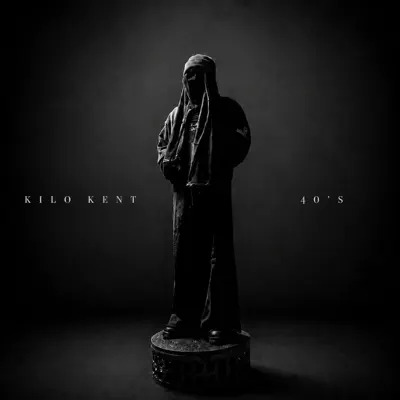
Who Is Kilo Kent? Is the Masked Rapper Behind 40s Using AI?
Kilo Kent is the masked rapper behind ’40’s’, a song that gained attention on TikTok in 2026. The artist’s concealed identity and highly polished sound have prompted speculation online about whether the music uses artificial intelligence.
The important point is that speculation is not proof. There is a difference between a digitally produced record, a virtual persona and a song with confirmed AI-generated vocals.
Who is Kilo Kent?
Kilo Kent has built an online identity around masks, short-form video and a recognisable rap-pop sound. Music publication Dazed discussed the artist in an October 2026 feature on viral acts and the growing suspicion that some of their music may involve AI.
The mask has made the person behind the music part of the discussion. But an artist choosing not to reveal a face or real name is not, in itself, evidence that the character is AI-generated.
What is Kilo Kent’s viral song?
The breakthrough track is ’40’s’. Its catchy production and short-form clips made it a natural candidate for TikTok edits and lip-sync videos, where listeners can encounter a song many times without knowing who made it.
Dazed described the way the track spread through audience clips and promotional posts, turning curiosity about the performer into part of the music’s appeal.
Is Kilo Kent an AI rapper?
As of November 2026, there is no conclusive public evidence in the sources reviewed that establishes Kilo Kent’s vocals are AI-generated. Comment sections and speculation about the sound are not a reliable substitute for a disclosure from the artist or verified production credits.
Modern pop and rap vocals can sound heavily processed for many reasons, including conventional pitch correction, layering, digital effects and deliberate studio production choices.
Why do people think mysterious musicians are AI?
Generative music tools have made it much easier to create convincing vocal performances, while AI images can give an artist a character or visual style. That has changed how listeners interpret anonymity.
But not every masked singer is a virtual artist, and not every glossy recording uses generative AI. Asking good questions is fair; labelling someone AI without evidence is not.
Where can you find out more?
Start with the artist’s verified accounts, official release credits and interviews rather than anonymous claims. As more information emerges, the answer may become clearer.
For an example where the use of a generated voice is documented, see the case of MEOMURU, whose chart-topping Korean ballad has confirmed AI-vocal production credits. Kilo Kent’s situation should be judged on the evidence specific to Kilo Kent, not by association.