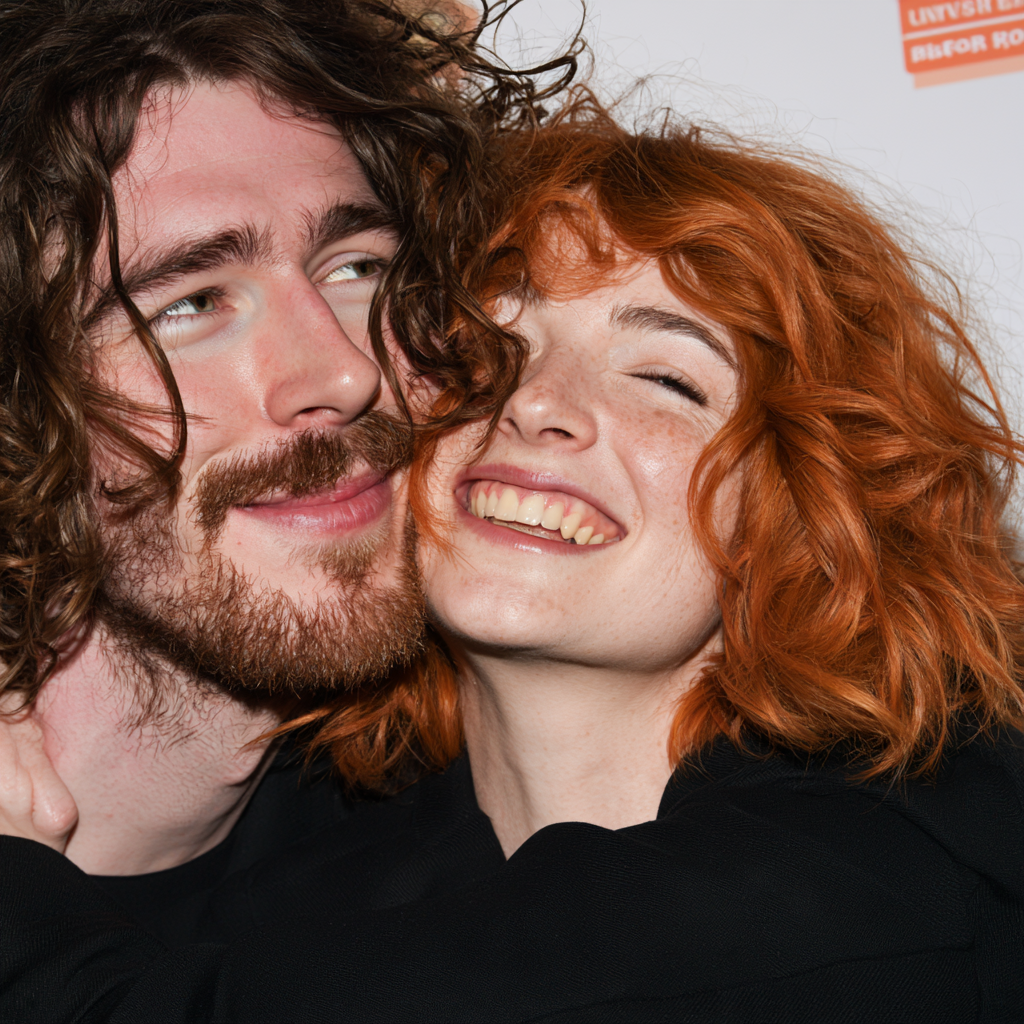
Who Sings “Fairytale of New York” in 2026? Hozier and Jessie Buckley Explained
The new 2026 version of “Fairytale of New York” is performed by Hozier and Jessie Buckley.
Their duet appears on 20th Century Paddy: The Songs of Shane MacGowan, a tribute album released on 13 November 2026.
But the song’s original recording belongs to The Pogues, featuring Kirsty MacColl.
Released in 1987, that performance became one of the most recognisable Christmas songs in Britain and Ireland.
The new interpretation creates an interesting connection between generations of Irish musicians.
It also offers listeners another way to discover Shane MacGowan’s songwriting.
Who originally sang “Fairytale of New York”?
Shane MacGowan and Kirsty MacColl.
MacGowan was the singer and principal songwriter of The Pogues.
The group combined Irish folk music with punk-rock energy.
MacColl was a British singer-songwriter known for her distinctive vocal performances.
Their voices created an unusual contrast.
MacGowan sounded rough and confrontational.
MacColl sounded more polished but equally expressive.
That combination became central to the song’s personality.
Who is Hozier?
An Irish singer-songwriter who achieved international success through “Take Me to Church”.
His music combines folk, blues, soul and rock influences.
Hozier’s catalogue frequently explores mythology, literature, relationships and social questions.
That makes him a suitable performer for a Shane MacGowan tribute.
Both artists have strong connections with Irish musical traditions.
But their vocal styles are quite different.
Hozier brings a warmer, more blues-influenced personality to the composition.
Who is Jessie Buckley?
An Irish actress and singer.
Buckley has developed a successful film and television career alongside her musical work.
Her performances frequently combine emotional restraint with considerable dramatic intensity.
That makes her an interesting choice for “Fairytale of New York”.
The song requires the two performers to behave almost like characters in a small play.
It’s not simply a conventional romantic duet.
There are accusations, disagreements, affection and disappointment.
Buckley’s acting background is particularly relevant to that emotional complexity.
Why did they record the song?
For a tribute to Shane MacGowan.
The album 20th Century Paddy gathers interpretations of music associated with the late Pogues frontman.
MacGowan died in November 2023.
His songwriting remains important within Irish music because it combined traditional influences with unusually direct storytelling.
The new tribute recording celebrates that legacy.
It also introduces his work to listeners who may know Hozier or Buckley more closely than The Pogues.
What does “Fairytale of New York” mean?
The song imagines two people whose romantic ambitions have become complicated by disappointment and difficult circumstances.
The characters remember their early hopes.
They also confront the distance between those dreams and their current lives.
Christmas becomes the setting for that emotional conflict.
Rather than presenting an idealised festive relationship, the composition explores something much messier.
That’s part of its enduring appeal.
The characters aren’t perfect.
But their connection remains emotionally important.
Why is it considered a Christmas classic?
Because it combines familiar seasonal imagery with a story that feels human.
Many Christmas songs focus on celebration.
“Fairytale of New York” acknowledges that the holiday season can also intensify loneliness, regret and memories.
The musical arrangement is equally distinctive.
Irish folk influences combine with a powerful chorus.
The result can feel both celebratory and melancholy.
That emotional contradiction has helped the recording survive across generations.
When did The Pogues release the original?
1987.
The single appeared during the period surrounding the band’s album If I Should Fall from Grace with God.
The recording reached No. 2 on the UK Singles Chart during its original Christmas run.
It subsequently returned to the charts many times.
Its popularity became particularly associated with December listening.
For many British and Irish audiences, Christmas wouldn’t feel complete without hearing it.
Is the 2026 recording a cover or remix?
A cover.
Hozier and Jessie Buckley perform a new interpretation of the existing composition.
They haven’t simply taken the original recording and added new sounds.
That distinction is important.
A remix changes an existing recording.
A cover involves a new performance of an existing song.
The 2026 version therefore gives the composition another vocal identity while retaining its underlying musical structure.
Who wrote the original song?
Shane MacGowan and Jem Finer.
Finer was a member of The Pogues and an important creative collaborator.
The composition developed over several years before the famous recording appeared.
The band initially struggled to find the right form for the song.
The later collaboration with Kirsty MacColl became crucial.
Her voice helped establish the emotional contrast that made the finished recording so recognisable.
Why are the original vocals so distinctive?
Because the performers don’t sound like a conventional pop duet.
MacGowan’s delivery is raw.
MacColl’s performance is clear and sharp.
Their voices suggest different personalities.
That allows the song to function as musical storytelling.
The audience hears the relationship through the way the two singers respond to one another.
It’s one of the strongest examples of a duet becoming almost theatrical.
Was there controversy around the lyrics?
Yes.
The original recording contains language that has attracted criticism.
Different broadcasters and performers have handled that material differently over time.
The wider discussion concerns whether the song’s character-driven dialogue should be treated as a historical recording or adapted for contemporary audiences.
The debate doesn’t change the fact that the original contains deliberately confrontational material.
For new listeners, it’s worth recognising that the characters’ words are part of a fictional argument rather than a straightforward statement of the songwriter’s views.
What other Pogues songs should you hear?
Start with “A Pair of Brown Eyes”, “Dirty Old Town”, “The Irish Rover” and “Rainy Night in Soho”.
These recordings explore different parts of the band’s folk-punk identity.
For other Christmas recordings whose later interpretations became particularly famous, Radar’s guide to famous cover versions and their original performers provides more musical history.
Which version should you listen to first?
Begin with The Pogues and Kirsty MacColl’s 1987 recording.
Then hear Hozier and Jessie Buckley’s 2026 interpretation.
Comparing the two is particularly interesting because the original has such a recognisable vocal identity.
The newer version doesn’t erase that history.
It adds another performance to a song that has become part of British and Irish Christmas culture.