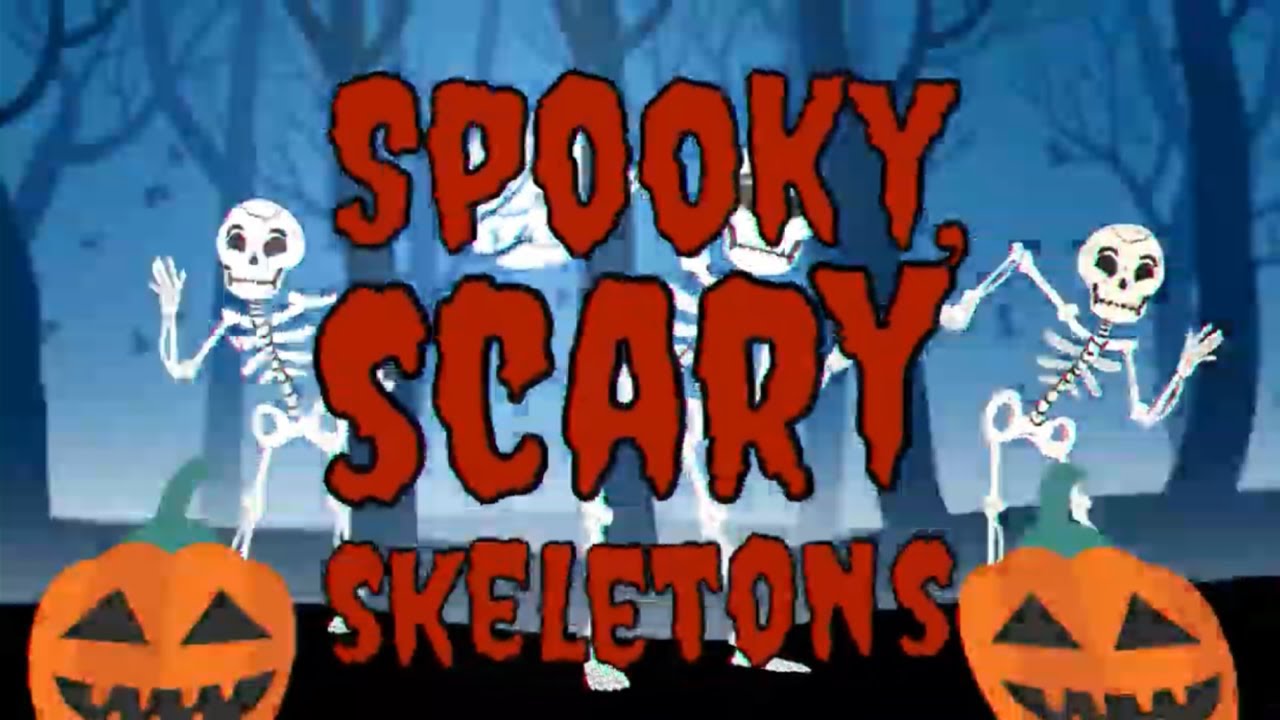
Who Sings “Spooky, Scary Skeletons”? Original Song and Remix Explained
“Spooky, Scary Skeletons” was originally written and recorded by Andrew Gold.
The song appeared on his 1996 album Halloween Howls: Fun & Scary Music.
But the version many younger listeners recognise is a remix by The Living Tombstone.
Released in 2013, that electronic interpretation helped transform the recording into one of the internet’s biggest Halloween favourites.
The song also became connected with an even older piece of entertainment.
Disney’s 1929 animated short The Skeleton Dance.
That gives one of the most recognisable modern Halloween songs a surprisingly complicated history.
It connects three different eras.
1920s animation.
1990s children’s music.
And internet remix culture.
Who was Andrew Gold?
An American singer-songwriter and musician.
Gold was already successful long before “Spooky, Scary Skeletons” became an internet phenomenon.
His catalogue includes the 1970s hit “Lonely Boy”.
He also wrote and originally recorded “Thank You for Being a Friend”.
That composition later became famous as the theme from The Golden Girls, although the programme used a different recording.
Gold was a talented musician with experience in pop, rock and studio production.
He also had a playful interest in novelty music.
That side of his personality became particularly important when he created Halloween Howls.
Why did Andrew Gold write a Halloween album?
Because he wanted more original Halloween music suitable for families.
Halloween playlists often rely on a relatively small collection of familiar recordings.
“Monster Mash”.
“Ghostbusters”.
Film soundtracks.
And a handful of novelty songs.
Gold recognised that there was room for something different.
He created an album featuring original Halloween-themed material.
The songs were designed to be playful rather than genuinely frightening.
“Spooky, Scary Skeletons” became the most enduring recording from the project.
When was “Spooky, Scary Skeletons” released?
August 1996.
That is considerably earlier than many people assume.
The recording existed for years before TikTok.
Before Instagram.
Before YouTube.
And before internet remix culture became a major part of music discovery.
Originally, it was simply a novelty Halloween recording.
The arrangement includes an instantly recognisable xylophone-like sound suggesting rattling bones.
That musical detail gives the song much of its personality.
It almost sounds as though the skeletons are participating in the rhythm.
What does the song actually mean?
It’s a playful celebration of spooky Halloween imagery.
The recording describes skeletons appearing and frightening people.
But the atmosphere is deliberately exaggerated.
The skeletons are more entertaining than genuinely threatening.
That’s why the song works particularly well for children.
It contains familiar Halloween ideas.
Bones.
Ghostly movement.
Unexpected visitors.
But the arrangement is cheerful enough to make the experience fun.
The music creates a sense of playful danger rather than serious horror.
Who made the famous remix?
The Living Tombstone.
The project became internationally recognised through electronic music connected with internet culture, gaming and animation.
In October 2013, The Living Tombstone released an electronic remix of Gold’s recording.
The new version uses a much stronger dance rhythm.
It also retains the original’s recognisable melody and vocal personality.
That combination became enormously successful online.
The remix turned a relatively old children’s recording into something suitable for dance videos and internet memes.
Why did the remix become so popular?
Because the original material was already extremely memorable.
The melody is simple.
The vocal is immediately recognisable.
The skeleton theme connects naturally with Halloween.
The Living Tombstone added a more energetic electronic arrangement.
That made the recording particularly suitable for animated videos, gaming content and online jokes.
The remix also arrived during a period when YouTube remix culture was expanding rapidly.
Listeners were increasingly discovering older material through new electronic interpretations.
What is The Skeleton Dance?
A Disney animated short released in 1929.
The film belongs to Disney’s early Silly Symphonies series.
It features skeletons emerging from graves and performing an elaborate dance.
The animation was directed by Ub Iwerks.
Its original music was arranged by Carl Stalling.
The short predates Andrew Gold’s song by decades.
But the two eventually became connected through online videos.
The visual similarity is obvious.
Dancing skeletons.
Playful horror.
And rhythmic movement.
Was “Spooky, Scary Skeletons” originally written for Disney?
No.
That’s a common misunderstanding.
Andrew Gold created the recording independently.
Disney’s animation existed much earlier.
The association developed through later uses and online videos combining the two.
A particularly influential YouTube upload placed Gold’s song alongside the older cartoon.
The combination became widely shared.
For many internet users, the images and music eventually felt inseparable.
But they were created in completely different periods.
Why is the song so popular every October?
Because it’s attached to a predictable annual event.
Halloween returns every year.
People begin looking for:
costume music
party playlists
funny skeleton videos
and spooky entertainment.
The recording works perfectly for those searches.
Its identity is immediately clear.
You don’t need to listen to the entire song to understand the theme.
That makes it particularly useful for short-form video.
The recording can disappear from attention for several months and then return as Halloween approaches.
Is the original better than the remix?
That depends on what you’re listening for.
Andrew Gold’s recording is more playful and old-fashioned.
The production is relatively restrained.
It works naturally in family Halloween playlists.
The Living Tombstone’s remix is much more energetic.
The electronic rhythm makes it suitable for dancing and gaming videos.
Both versions use the same central musical idea.
They simply emphasise different aspects.
The original is charming.
The remix is designed for movement.
What genre is “Spooky, Scary Skeletons”?
The original is Halloween novelty music.
There are also elements of traditional pop and children’s entertainment.
The Living Tombstone’s version moves closer to electro house and electronic dance music.
That genre transformation is one reason the recording became so successful.
It allowed a song originally created for one audience to work naturally in another musical environment.
Other songs like “Spooky, Scary Skeletons”
Try:
Andrew Gold – It Must Be Halloween
Bobby Pickett – Monster Mash
Ray Parker Jr. – Ghostbusters
Rockwell – Somebody’s Watching Me
Danny Elfman – This Is Halloween
The Living Tombstone – Spooky, Scary Skeletons Remix
The Living Tombstone – Witches, Witches, Witches Remix
These recordings provide different levels of spooky entertainment, from playful novelty songs to more energetic electronic music.
Why has the song lasted thirty years?
Because the musical concept is simple and memorable.
It doesn’t depend on a complicated cultural reference.
Skeletons are familiar Halloween characters.
The melody is easy to recognise.
The rhythm is playful.
And the internet has repeatedly found new uses for the recording.
That’s a particularly effective combination.
An original song can become a remix.
The remix can become a meme.
The meme can become an annual tradition.
Who originally sings “Spooky, Scary Skeletons”?
Andrew Gold.
He released the original in 1996.
The Living Tombstone created the famous electronic remix in 2013.
The song also became strongly associated with Disney’s much older Skeleton Dance animation.
It’s now one of the internet’s most recognisable Halloween recordings.
And perhaps the strangest part is that it was originally created as a fun addition to children’s Halloween music.
Andrew Gold probably couldn’t have imagined how far those skeletons would travel.