Quantcast

Archive for: music sales

The Self-Indulgent Friday Playlist – Girls, Boys, Alcohol and Dancing

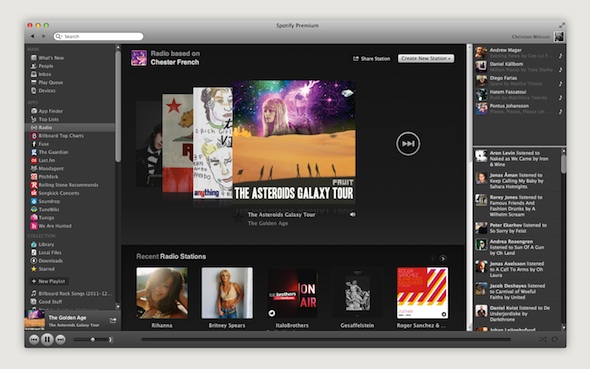
Boys, Girls, Alcohol and DancingThis is inexcusable, I know. But here is a poorly conceived, badly executed playlist for all of my Spotify loving comrades. However, in preparation for your weekend I have prepared you slightly more than an hour’s worth of music on the theme described in the title. It starts off slow, plumbs the depths of cheese, and pretty much stays there. May your Saturday nights be forever fevered.

Digital Music Store Focus – HMV.com

HMV.com

HMV’s online store is an extension of their high street business, and as such caters mainly to the mainstream. The prices are high but the catalogue is pretty varied; they’ve got deals with all the majors, and they do carry a lot of offers that cheapen their products, two-for-one deals etc. Another plus is that they provide a one stop shop for digital, physical and merchandise products in a more coherent, music oriented way than Amazon do (unless you visit their subsidiary, Play.com). There’s no subscription option or anything, it’s just a nice simple version of their bricks and mortar operation without you having to traipse those weary miles to the town centre, or possibly wheel down there on your special fat guy scooter. RouteNote doesn’t currently distribute to HMV, but we can get you onto Amazon, who’ll make physical CD’s for you (soon).

Digital Music Store Focus – eMusic

eMusic.comeMusic.com launched back in the misty past of September of 1995, initially as a CD retailer in September 1995. They didn’t move over to their current subscription based model until 2000, but they’ve since sold more than 300 million music downloads from catalogue of 6 million tracks, from 60,000 record labels. They deal with Sony, but not any other of the other majors. They make up for this by a strong focus on new and independent music – a policy of obvious benefit to RouteNote users – actively promoting artists from labels like Warp, Domino, Beggars group etc. They also have a very active and trend-conscious blog, written by people who are keeping an eye on music that comes in to eMusic’s electronic fold, going some way to proving that they genuinely care about the music they sell.

RouteNote can distribute your music to eMusic; artist revenues are based on dividing a proportion of their total subscription fees between the artists that were downloaded, 1 download equaling 1 share of the divided dinero. Subscription costs are variable, but in the UK you’re looking at somewhere under £10 for a month, which buys you 40 tracks (25p each for those who hate maths as much as me). eMusic will then take their share, and pass on a cut to the artist. Good for the consumer who’s prepared to commit to a monthly outlay, not necessarily as good for an independent artist, who is looking at significantly less per track income than on iTunes, but then there is more chance of an indie-loving audience hearing and buying your music, and more chance of getting exposure on an indie based blog than on one where you have to compete with artists from all the majors with a huge budget behind them.

Digital Music Store Focus – Domino

Domino RecordsDominorecordco.com is the online outlet of the Domino record label – a pretty big indie label as things go, but still tiny in comparison to the big retailers. Their catalogue is also available through iTunes at a significantly reduced price, which seems a slightly strange move. For example, their flagship band the Arctic Monkeys album ‘Whatever People Say I Am, That’s What I’m Not’ costs £7.99 for an MP3 download on Domino’s store, and only £4.74 on iTunes. Since all the music they sell is available cheaper elsewhere I wonder how they keep running the shop… RouteNote doesn’t distribute to Domino’s store (they only sell their own stuff) but we do send music to iTunes!

Digital Music Store Focus – Bleep.com

Bleep.comA niche indie supplier trading mostly in electronic music – the stars of their catalogue are Aphex Twin, Squarepusher, Thom Yorke (of Radiohead)… Principally formed from the catalogue of Warp records, but also featuring the catalogues of over 300 other record labels this site sells both MP3 downloads and physical discs (CD’s and vinyl). Their prices are based on the GBP, £6.99 for MP3′s, £8.99 for WAV’s (nice that they give you the choice) around £9-£13 for a CD, and a few quid more for the black stuff. If you’re in the states you’ll save by not paying the UK tax, but for everyone else they’re pretty expensive. Not really a competitor to the big guys like iTunes and Amazon, more for the enthusiast who can’t wait to get their mitts on a holdable, strokeable copy of their favourite band’s new LP or 12 inch single. They also do merch for some of the bands on their roster, so more and at the same time less than the big guys. RouteNote does not currently distribute to Bleep.

Digital Music Store Focus – Audio LunchBox

Audio Lunchbox is a DRM free download services based around a 2-million strong track list of independent musicians. They offer both a pay per track and a subscription service, which allows users to buy ‘credits’ to spend on music which would otherwise cost a far greater cash equivalent. They don’t have deals with Universal or the other bigger players, so should you subscribe, you’ll find yourself looking around for new and interesting music to spend your money on, rather than being able to get hold of stuff that you’ve heard on Radio 1.
The subscription plan does work out far cheaper per track than the cash option; depending on which package you purchase you’ll be getting tracks for less than 25 cents, as compared to 99 cents. The month by month plan costs $9.99, for which you get 40 credits a month (enough for 4 albums) plus 50 bonus credits to start you off. This might seem like a pretty cheap way of buying music, especially compare with iTunes basic and inflexible pricing scheme, but if you’re prepared to commit to a monthly outgoing to buy music, you might be well advised to check out Spotify’s subscription service; similarly priced at GBP£9.99 (the dollar is at 1.59 to the pound as I write) you get access to all the streamed music you could possibly want, advert free, with a catalogue that includes artists on both indie and major labels, and a widget for your android or iPhone that will allow you to listen to playlists you’ve created offline.

Artistopia – Music Community

artistopiaA community site for independent musicians, this site has a rather home-made feel, artists submitting grainy photos and live recordings. They do seem quite an active bunch, however, and it’s another place to introduce yourself to other artists for mutual support. They publish a regular newsletter, with music industry news and self development tools for artists and producers. They also have music sales onsite, so you can punt your physical product – we’re still here for all your digital distribution needs, though…

Garageband – Music Discovery and hosting

garagebandGarageband is a really interesting peer-review and music discovery site. Artists submit music to be hosted onsite, which is then sent to 20 other artists, who review it. If they like the song then it tends to rise up the GarageBand chart and get more plays, reviews and ratings. Reviewing songs earns you entry into competitions that the site runs for various prizes, giving a continual incentive to help out other producers and artists with advice and peer review, and provides the opportunity to get free stuff and good press for your music.

Mobile Phone Broadcasting

If you’re in a band that’s just starting out, you know all about sending last minute text reminders to your friends, relling them to turn up to your gig. If you’ve had some success then you know the power of information and marketing, and if you’ve read our self-promotion guide you’ve hopefully got a list of your fan’s contact details that you’re building as time goes by; names, emails, mobile numbers… Good for you!

broadtexterlogoNow here’s a little tool to help you make use of that laboriously collected contact list: if you live in the States, that is. www.broadtexter.com allows you to send text messages to whole lists of contacts at once, so no more scrolling through adding everyone in your phone to the send list, and it also allows them to send messages and pictures back to your broadtexter page for other fans to look at. You can schedule text alerts in advance, and select only people in a certain region or group to recieve them. What’s more, it ties in with your social network profiles (facebook, myspace, bebo, xanga etc.). A pretty powerful tool for getting in touch with your fanbase and promoting your music, gigs and merchandise. Of course, we’d love it to work for you, so we can make you more money by distributing your music and making loads of sales!

Digital Music Stores Compared

A lot of people get in touch with us to ask how many digital stores we distribute music to, and what proportion of the digital music market they represent. We also hear comments on the relatively small number of people we deal with in comparison to the huge lists of partners at some of our competitors, e.g. CDbaby, Emubands, IODA…(without mentioning the duplication in the last two).

The simple truth is that while a long list of digital music stores might look good, beyond the top 3 or 4 retailers it makes very little difference to overall sales how many your music’s in. It’s fairly common knowledge that iTunes is the biggest player in the market, but the scale of their dominance is pretty staggering. Neilsen (the ratings and market reporting firm) reports total US music sales of 1,513 million units in 2008, with 1070 million of those sales being digital downloads. That’s a billion digital music downloads across the entire US.

In 2008, across all territories, iTunes sold more than Two Billion tracks.

Apple iTunes Store Music Sales
Date Tracks Sold (Millions)
01/08/2004 100
16/12/2004 200
02/03/2005 300
10/05/2005 400
18/07/2005 500
10/01/2006 850
23/02/2006 1,000
12/09/2006 1,500
10/01/2007 2,000
09/04/2007 2,500
31/07/2007 3,000
15/01/2008 4,000
19/06/2008 5,000
06/01/2009 6,000

Excuse the horrid old excel graph, I’m still running Office ’03…

itunes-sales-graph1

It’s difficult to get a believable estimate for the size of the global digital music market, but given that the USA is the biggest single economy by a long way (the whole of the EU only just beats it in the CIA factbook at $14.98 trillion to $14.58 trillion), you begin to get a picture of how much of a monopoly iTunes has. Their competitors are of a different order: Amazon weighed in at 27 million digital tracks sold in the first six months of 2008, and the CEO of eMusic (David Pakman) estimated that Amazon have got about 4%-5% of the US music market, which going from Neilsen’s estimates puts them at about 48,150,000 tracks annually. Pakman also claims an approx. 10%-15% market share for eMusic, with 7 million downloads sold monthly (7*12 = 84).

By browsing eMusic’s sales milestone press releases, you can plot a rough course for their sales:

eMusic Digital Music Sales
Date Tracks Sold (Millions)
01/09/2004 0
01/12/2004 3
01/12/2006 100
25/09/2007 160
14/04/2008 200
20/11/2008 250

I’ll spare you another ugly graph. eMusic has sold 250 million tracks since it’s relaunch in 2004, and Amazon’s only been going for about a year now, 300 million tracks let’s say, which pales beside iTunes’ 6 billion total sales.

One can argue with the estimates, but the main thrust of my argument is hopefully becoming clear. A conservative 15% market share between Amazon and eMusic, along with iTunes’ >80% doesn’t leave more than 5% for any other players in the USA: with just those three selling your music for you online, you’ve got 95% of the market covered. It’s not that the remaining 5% isn’t worth catering to, but the law of diminishing returns kicks in, and customers in the last few percentiles get harder and harder to chase down, especially given the plethora of blossoming and failing little music shops that appear and dissappear. We concentrate our efforts on the vendors that matter.

P.S.

The controversial bulk of music discovery and consumption in the electronic wilderness, outside the paid-for enclosure, is happening on torrent sites like the embattled Pirate Bay, and the more respectable Limewire and Mininova, and promoting RouteNote artists on these channels is something we’re looking into. Ubiquitous innovator Trent Reznor or NIN positively encourages people to download his music from P2P networks, in order to drive sales of his ‘premium’ paid for content.